How to Choose a Contract Metal Fabricator for Your OEM Parts
Choosing a contract metal fabricator is a bigger decision than a purchase order suggests. The right partner quietly delivers parts that fit, on dates you can plan around, for years. The wrong one turns every order into expediting calls, rework, and line-down risk. After 20+ years as an OEM fabrication partner in Anamosa, Iowa, here’s the checklist we’d use if we were sitting on your side of the table.
1. Verify Welding Certifications — Don’t Just Ask
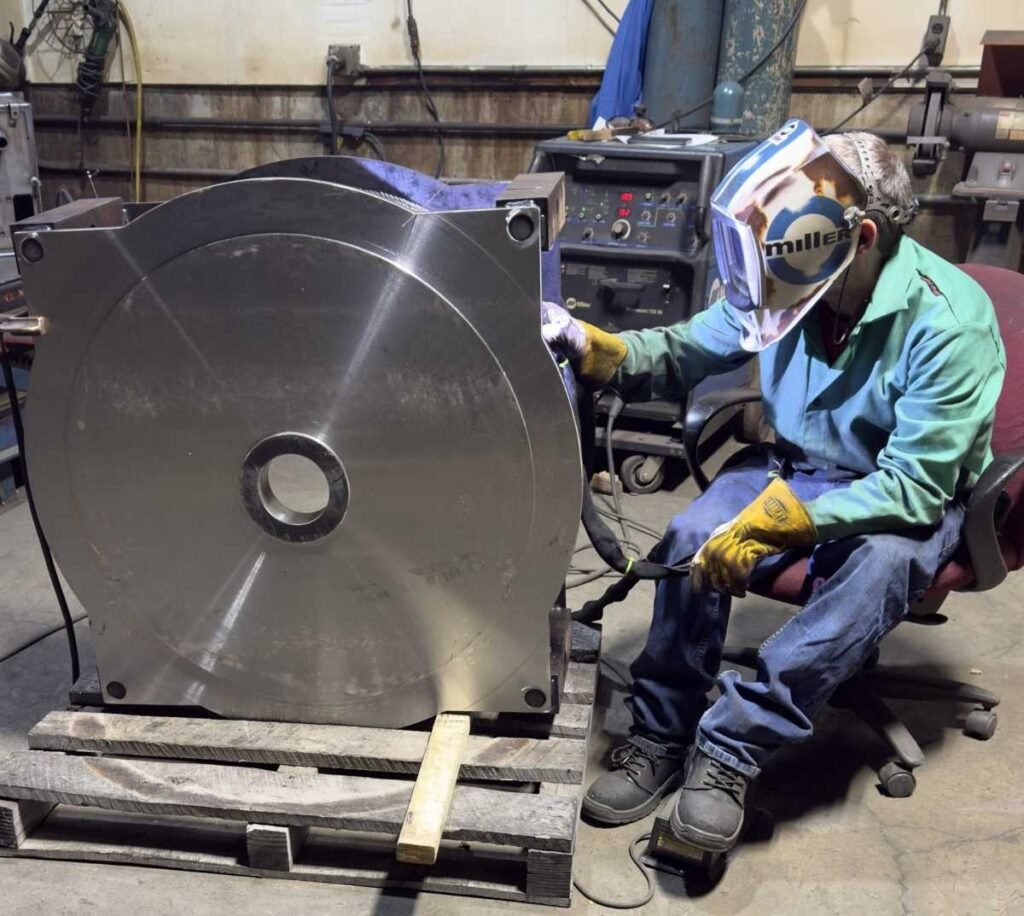
Any shop can say “quality welding.” Ask which standard their welders are qualified to and how they maintain it. For structural and production steel work, AWS D1.1 is the benchmark; our MIG welding, both manual and robotic, is held to it. If your parts carry load, carry fluid, or carry liability, certified welding isn’t optional.
2. Look for In-House Capability, End to End
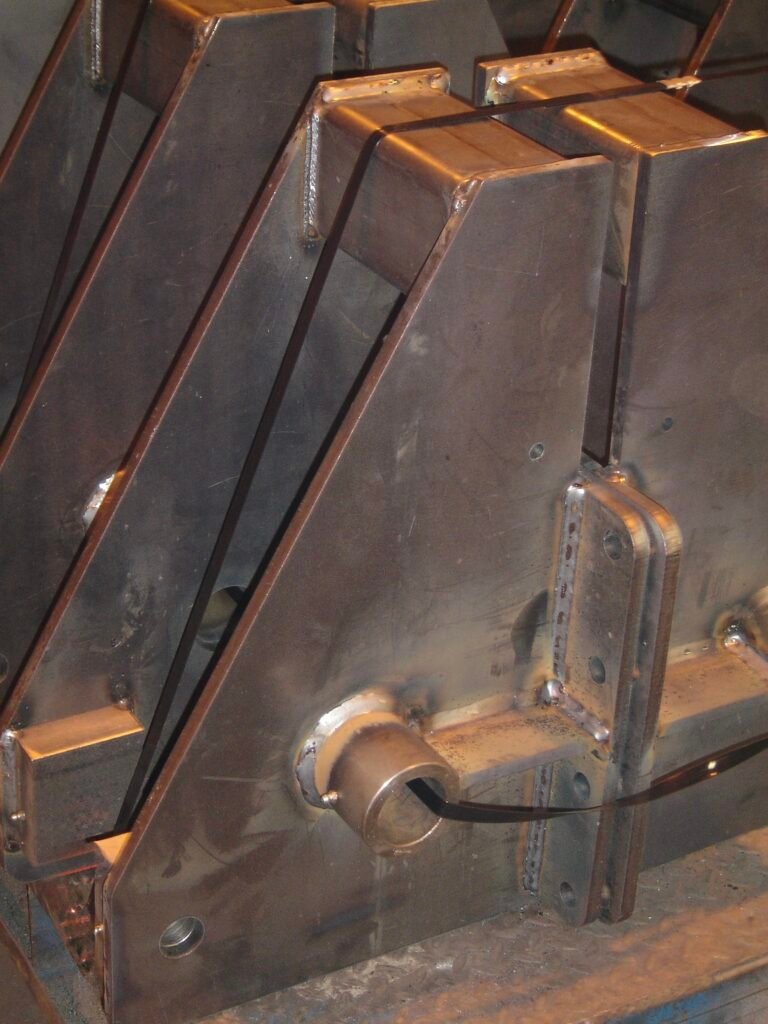
Every process a fabricator outsources adds a handoff — and every handoff adds lead time, freight, and a chance for error. A strong contract metal fabricator handles cutting, forming, welding, testing, and finishing under one roof. In our case that’s plasma cutting, press brake forming, robotic and manual MIG welding, leak testing, and powder coating. One roof means one schedule and one throat to choke.
3. Demand Proof at Your Volumes
A shop that excels at one-offs may buckle at 500 pieces a month, and a production house may have no patience for your prototypes. Ask for evidence at your volume profile: repeat part numbers, long-running OEM accounts, defect and on-time metrics. Our proof point is 80,000+ hydraulic reservoir tanks delivered with zero defects — ask any fabricator you’re vetting for their equivalent.
4. Test Their Quoting Process
The quote experience previews the whole relationship. Send a real drawing and watch what happens. Do they respond in days or weeks? Do they ask intelligent questions about material, tolerance, and finish? Can they quote from a CAD file, a PDF, or a physical sample? A fabricator who’s sloppy with quotes will be sloppy with orders.
5. The Domestic vs Overseas Question
Offshore fabrication can win on unit price and lose everywhere else: ocean lead times measured in months, containers of parts that can’t be inspected until they land, tooling deposits, tariff exposure, and time-zone communication lag. When a dimension is wrong, the difference between a supplier 45 minutes away and 45 days away is the difference between a hiccup and a shutdown.
Domestic — and especially Midwest — sourcing trades a little unit price for short freight lanes, same-day conversations, shop visits, and USA-made parts your customers may actively want. For many OEMs the total landed cost ends up favoring the domestic fabrication supplier anyway.
Red Flags to Walk Away From
- Vague answers about welder qualifications or testing procedures.
- No willingness to host a shop visit — a good fabricator is proud of the floor.
- Quotes that ignore your tolerances or substitute materials without asking.
- No repeat customers they can point to at your volume.
- Every process farmed out to someone else.
Frequently Asked Questions
What should I look for in a custom metal fabrication company?
Certified welding, in-house cutting-to-finishing capability, proven performance at your volumes, responsive quoting, and a location that supports your logistics. Verify each with evidence, not adjectives.
What’s the difference between contract fabrication and job-shop work?
Contract metal fabrication is an ongoing production relationship — repeat part numbers on a schedule — while job-shop work is project-by-project. The best partners handle both, so prototypes can graduate into production without re-sourcing.
How do I start with a new fabrication partner safely?
Start with a pilot: one part number, modest quantity, full inspection. Judge the parts, the communication, and the dates. Scale from there.
Vetting Fabricators Now?
Put us through the checklist. Send a drawing to contact@engineeredwelding.com, call 319-462-4840, or come walk our floor. Explore our fabrication services, industries served, and our work for OEMs around Dubuque and Cedar Rapids.