Finding the right fab shop nearby can be a game-changer for your metalworking projects. Whether you need custom fabrication or sheet metal work, choosing the right shop is crucial.
Local fab shops offer a range of services tailored to meet specific needs. From welding to cutting, they provide essential solutions for various industries.
Working with nearby shops ensures convenience and personalized service. You can easily visit them to discuss your project requirements in detail.
Evaluating a fab shop’s quality involves checking reviews, certifications, and their expertise. It’s important to ensure they have the right technology and equipment for your needs.
This guide will help you navigate the process of finding and selecting the best fab shops near you.
What Is a Fab Shop? Understanding Metal Fabrication Services
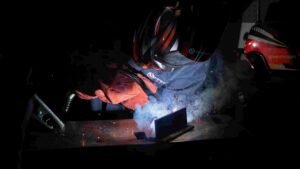
by Salvador Escalante (https://unsplash.com/@salvador_86)
Fab shops, short for fabrication shops, are specialized facilities focused on transforming raw metal into finished products. They cater to different industries such as construction, automotive, and aerospace.
These shops offer a wide array of services. Key offerings often include welding, metal cutting, bending, and assembly. Each process requires skilled hands and the right equipment to ensure precision and quality.
Fab shops vary in size and specialization. Some focus on specific metal types, like aluminum or steel, while others provide broader services. The choice depends on your project’s needs and complexity.
Opting for a local fab shop means access to quick service and personalized support. Many local businesses even offer design consultations to better align with your vision. Ensure you choose a shop that aligns with your specific requirements and project goals.
Types of Metal Fabrication Services Offered
Metal fabrication services encompass a broad spectrum of processes. Each service is tailored to meet specific design and structural needs. From small components to large structures, the capabilities of fab shops are diverse.
Typically, services include:
- Cutting: Using lasers or saws for precise dimensions.
- Welding: Joining metals securely for strength.
- Bending: Shaping metal plates into the desired form.
- Finishing: Applying coatings for protection and aesthetics.
Beyond these, some fab shops also offer custom fabrication. This enables clients to bring unique designs to life. Always check with local providers for the exact services they offer. Collaborating with skilled fabricators ensures optimal outcomes for your metalworking projects.
Benefits of Choosing Local Fab Shops
Opting for local fab shops offers several distinct advantages. The primary benefit is convenience. With a nearby location, you can easily visit and discuss your project needs in person.
Personalized service is another key benefit. Local fab shops often provide a more tailored approach. This leads to better communication and understanding of your project.
Moreover, you support the local economy by choosing a nearby shop. Some benefits include:
- Quick turnarounds: Faster project completion and delivery.
- Reduced logistics costs: Saving on transportation expenses.
- Community engagement: Building local relationships and networks.
These factors combine to make local fab shops a smart choice for your metal fabrication needs.
How to Find the Best Fab Shops Near You
Finding the best fab shops involves a few strategic steps. Start by searching online directories and local business listings. These platforms provide a wealth of information and customer reviews.
Visiting local trade shows and events is another effective approach. This allows you to network with industry professionals. You can gather insights and recommendations from other attendees.
Another step involves leveraging social media. Many fab shops maintain active profiles. Engage with their content to learn more about their services and customer interactions.
Consider creating a shortlist of potential shops. Include contact details, services offered, and distances from your location. With this list in hand, you can:
- Research their reputation
- Compare pricing and services
- Visit the shops
Start your search today and prioritize quality and proximity.
Key Factors to Consider When Selecting a Fab Shop
Selecting the right fab shop involves several important factors. The shop’s experience in the industry is a top priority. Experienced shops often deliver higher quality results and meet deadlines effectively.
Certification and credentials play a crucial role. Verify if the shop complies with industry standards. Certifications often indicate a commitment to quality and safety.
Another essential factor is the range of services offered. A full-service fab shop can streamline your project. Check if they offer additional services like finishing or coating.
Finally, consider the shop’s communication and customer service. A responsive team can simplify complex projects. Important factors to consider include:
- Experience and expertise
- Certifications and industry compliance
- Range of services offered
- Communication and customer service skills
These factors can significantly impact your project’s success. Evaluating them thoroughly ensures you choose the best partner.
Questions to Ask Before Hiring a Fabrication Shop
Before committing to a fab shop, it’s smart to ask the right questions. Inquire about their past projects. Knowing what they’ve done can provide insight into their capabilities.
Ask about their specific equipment and technology. Advanced equipment means more precise results. It’s also important to discuss their timeline for project completion.
Don’t forget to inquire about quality control processes. Understanding their standards ensures they align with your expectations. Here are some key questions to consider:
- What types of projects have you completed?
- What equipment do you use for fabrication?
- How do you ensure quality control?
- What is your projected timeline for completion?
These questions help ensure you make an informed decision. They also provide clarity on what to expect from the fab shop.
Custom Fabrication: Meeting Unique Project Needs
Custom fabrication provides tailored solutions for specific needs. It allows the creation of metal parts and structures that fit exact requirements. This service is invaluable for unique or complex projects.
Fab shops offer expertise in various custom solutions. They can adapt designs and materials to meet personalized specifications. Here are some ways custom fabrication meets unique needs:
- Designing unique metal shapes and forms
- Crafting components for specialized equipment
- Producing limited-run or one-off items
These capabilities make custom fabrication ideal for industries that demand precision. Whether it’s for art, industry, or innovation, custom solutions provide flexibility and creativity. This enables projects to achieve more than standard fabrication offers.
Future Trends and Innovations in Metal Fabrication
The metal fabrication industry is evolving with cutting-edge innovations. Advancements such as automation and digital fabrication are reshaping processes. These trends enhance efficiency and precision in fabrication work.
Innovations are paving the way for smarter fab shops. Technologies like 3D printing and robotics are gaining momentum. Here are some emerging trends to watch for:
- Smart technologies in fabrication
- Increased use of AI and machine learning
- Emphasis on sustainable practices
These innovations promise to streamline operations and reduce waste. As technology advances, fab shops will continue to offer enhanced services. This ensures they meet the growing demands of modern industries.
Frequently Asked Questions
What does a fabrication shop do?
A fabrication shop turns raw materials into finished or semi-finished components. Depending on the shop, services may include cutting, welding, bending, machining, forming, drilling, finishing, assembly, and repair work.
Many shops specialize in metal fabrication, such as steel, stainless steel, aluminum, or sheet metal. Others may work with plastics, composites, or mixed materials. Some focus on industrial production, while others handle one-off custom jobs, prototypes, repairs, or architectural pieces.
Before choosing a shop, confirm that they regularly work with the type of material and project you need.
How do I find reliable fabrication near me?
Start by searching for fabrication near me and reviewing several options instead of choosing the first result. Look beyond distance and compare each shop’s capabilities, experience, photos, reviews, and communication style.
A reliable local shop should be able to explain what they do, what information they need from you, and whether your project is a good fit for their equipment and workload. If a shop is vague, difficult to reach, or unwilling to discuss basic project details, it may not be the best match.
You can also ask contractors, builders, mechanics, engineers, property managers, or local businesses for referrals. Word-of-mouth recommendations are often helpful because fabrication work depends heavily on craftsmanship and follow-through.
What should I look for in the best fab shops nearby?
The best fab shops nearby usually share a few important qualities:
- Experience with similar projects
- Clear quoting and communication
- Proper equipment for the work
- Skilled welders, fabricators, or machinists
- A clean and organized shop environment
- Realistic timelines
- Attention to measurements and tolerances
- Ability to recommend better materials or methods when needed
- A willingness to review drawings, sketches, or photos
A good shop should not simply say “yes” to everything. Experienced fabricators ask questions, identify potential issues, and help you avoid design or installation problems.
Are local fabrication shops better than larger regional companies?
It depends on the project. Local fabrication shops can be a great choice for custom work, repairs, smaller production runs, urgent jobs, and projects that require in-person collaboration. Being nearby can make it easier to review measurements, drop off parts, approve samples, or discuss changes.
Larger regional companies may be better suited for high-volume production, highly specialized processes, or projects requiring certifications, engineering support, or advanced automation.
If your project is custom, time-sensitive, or needs close communication, a local shop may offer more flexibility. If your project requires large-scale production or strict documentation, ask whether the local shop can meet those requirements before proceeding.
What information should I provide when requesting a quote?
The more complete your information, the more accurate your quote will be. Try to provide:
- Drawings, CAD files, sketches, or reference photos
- Material type and thickness, if known
- Approximate dimensions
- Quantity needed
- Desired finish, such as paint, powder coating, polish, or raw metal
- Intended use of the part or structure
- Required timeline
- Any critical tolerances or fit requirements
- Whether installation is needed
- Your budget range, if you have one
If you do not have formal drawings, many shops can still help. However, they may need extra time to measure, design, or clarify the project before giving a firm price.
How much does custom fabrication cost?
Custom fabrication pricing varies widely. Cost depends on material, labor time, design complexity, finishing requirements, quantity, equipment setup, and whether the project requires engineering, delivery, or installation.
A simple bracket or repair may be relatively affordable, while a custom staircase, industrial frame, stainless steel assembly, or precision-machined component can cost significantly more.
When comparing quotes, do not look only at the final price. Ask what is included. One shop may include material, finishing, and delivery, while another may quote only cutting and welding. A higher quote may also reflect better materials, tighter tolerances, or more thorough finishing.
Why do fabrication quotes vary so much?
Quotes can vary because each shop may approach the job differently. One fabricator may use thicker material, a different welding process, a more durable finish, or a more efficient cutting method. Another may need to outsource part of the work, which can increase cost and lead time.
Differences may also come from shop overhead, equipment, workload, minimum charges, and experience level. A shop that specializes in your type of work may complete the job faster and with fewer issues, even if its hourly rate is higher.
If one quote is much lower than the others, ask questions. Make sure the shop understands the full scope and is not leaving out important steps.
How can I tell if a fab shop does quality work?
Quality fabrication is visible in the details. Look for clean welds, accurate cuts, smooth edges, proper alignment, consistent finishes, and parts that fit as intended. Ask to see examples of completed work, especially projects similar to yours.
You can also ask questions such as:
- Have you made something like this before?
- What material would you recommend and why?
- How will you control measurements and fit?
- What finish options are available?
- What could cause delays or added costs?
- Will I be able to approve the design before production?
Clear, confident answers are a good sign. A shop that explains tradeoffs honestly is often more valuable than one that promises perfection without reviewing the details.
Should I choose the closest fabrication shop?
Location matters, but it should not be the only factor. A nearby shop can save time on pickup, delivery, measurements, and revisions. However, the closest option may not have the right equipment, experience, or availability.
When searching for fabrication near me, create a short list of shops within a reasonable driving distance. Then compare capabilities, responsiveness, reviews, and project fit. The best option may be slightly farther away but better equipped to complete the work correctly.
What types of projects can local fabrication shops handle?
Local shops may handle a wide range of projects, including:
- Custom brackets and mounts
- Gates, railings, and handrails
- Equipment repairs
- Structural frames
- Trailers and vehicle components
- Sheet metal panels and enclosures
- Restaurant or commercial fixtures
- Industrial platforms and guards
- Decorative metalwork
- Prototypes and small production runs
- Replacement parts that are hard to find
Not every shop offers every service. Some focus on heavy steel, while others specialize in sheet metal, stainless steel, aluminum, or precision work. Always confirm the shop’s specialties before sending detailed requirements.
Do I need drawings before contacting a fab shop?
Drawings are helpful, but they are not always required. If you have professional drawings or CAD files, the shop can usually quote more accurately and identify production requirements faster.
If you only have an idea, photo, broken part, or rough sketch, many custom fabrication shops can still guide you. They may offer design assistance, field measurements, or recommendations for improving the concept.
For projects where fit, safety, or code compliance matters, professional drawings or engineering input may be necessary.
How long does fabrication take?
Lead times depend on shop workload, material availability, project complexity, and finishing requirements. A small repair might be completed quickly, while a custom build involving design, cutting, welding, finishing, and installation may take longer.
Ask for a realistic timeline before approving the job. If you have a firm deadline, mention it early. Rush work may be possible, but it can affect cost and scheduling.
What questions should I ask before hiring a fabrication shop?
Before moving forward, ask:
- Do you have experience with this type of project?
- What materials do you recommend?
- Is the quote fixed or an estimate?
- What is included in the price?
- What is the expected lead time?
- Do you provide finishing, delivery, or installation?
- What do you need from me to start?
- How are changes handled?
- Do you stand behind the workmanship?
These questions help set expectations and reduce the chance of confusion later.
What red flags should I watch for?
Be cautious if a shop gives a price without understanding the project, avoids questions, refuses to clarify what is included, has poor communication, or cannot explain its process. Other warning signs include no visible examples of work, unrealistic timelines, unclear payment terms, or pressure to start before details are confirmed.
A professional shop should make you feel informed, not rushed.
How do I choose the right shop for my project?
Choose the shop that offers the best combination of capability, communication, value, and trust. The lowest price is not always the best choice, especially when safety, fit, appearance, or durability matters.
A good fabrication partner will help you refine your idea, recommend practical solutions, and produce work that meets your needs. Whether you are comparing local fabrication shops for a repair, prototype, or custom build, take time to ask questions and review past work before approving the job.
Ready to Start a Fabrication Project?
Whether you need a custom part, a repair, or a full production run, Engineered Welding is ready to help. Reach out today to discuss your project and get a detailed, accurate quote.
Conclusion: Building a Successful Partnership with Your Local Fab Shop
Establishing a strong partnership with a fab shop is crucial for project success. By choosing a reliable local shop, you benefit from personalized attention and quicker turnaround times. This fosters a smooth collaboration, helping achieve your desired outcomes.
Communication is key to a successful partnership. Engage openly with your chosen fab shop, detailing your project requirements and expectations. This ensures a transparent process and minimizes potential misunderstandings.
Trust and rapport build the foundation of a long-lasting relationship. By nurturing a partnership, you unlock opportunities for innovation and collaboration. Ultimately, selecting the right fab shop enhances the quality and efficiency of your projects.